The Chaos of Running Multiple Locations Without Central Control
You’re managing three clinic locations across the city. A patient calls your downtown office asking to reschedule an appointment originally booked at your suburban branch. Your receptionist puts them on hold, calls the other location, gets a busy signal, tries again, finally reaches someone, confirms the change, updates one system, then realizes the patient’s medical records are in a different database. The whole process takes 15 minutes. The patient is frustrated. Your staff is stressed. And this happens dozens of times every single day.
Meanwhile, your north branch is overbooked while your south location has empty slots. Your best specialist is sitting idle at one clinic while patients wait weeks for appointments at another. You’re paying for redundant staff because nobody can see the full picture of what’s happening across all locations.
If you’re nodding your head right now, you’re not alone. Multi-location clinic management is one of the most complex operational challenges in healthcare today. But here’s the exciting news: it doesn’t have to be this way.
Modern Appointment Booking Software with unified dashboard capabilities is solving these exact problems for healthcare networks of all sizes. And the transformation isn’t just about convenience. It’s about revenue, patient satisfaction, staff efficiency, and your ability to grow without drowning in operational complexity.
What Clinic Managers Actually Worry About (And Why They Can’t Sleep)
The Visibility Problem That Drives You Crazy
You can’t manage what you can’t see. When each location operates its own scheduling system, you’re essentially running blind. You have no idea if your network as a whole is underutilized or overbooked. You can’t identify patterns. You can’t optimize resources. You’re making decisions based on incomplete information.
Clinic managers tell us this lack of visibility is their biggest daily frustration. They know inefficiencies exist, but they can’t pinpoint where or quantify the impact. They suspect they’re losing revenue through poor resource allocation, but they have no way to prove it or fix it.
A unified dashboard changes everything. Suddenly, you see appointment status across all locations at a glance. You know which clinics are busy and which have capacity. You identify which services are in high demand and which are underutilized. You spot scheduling patterns that reveal opportunities for optimization.
This visibility isn’t just nice to have. It’s the foundation for every other improvement in your multi-location operations.
The Patient Transfer Nightmare
Patients don’t care about your organizational structure. They want to see a doctor when and where it’s convenient for them. But in traditional multi-location setups, transferring a patient between branches feels like transferring them to a completely different healthcare system.
Their appointment history doesn’t follow them. Their preferences aren’t visible. The new location treats them like a first-time patient, asking all the same intake questions again. The experience is frustrating and makes your organization look disjointed and unprofessional.
With centralized appointment management, patient information travels with them automatically. Any location can access their complete appointment history. Preferences and notes are visible system-wide. The patient experiences continuity of care regardless of which physical location they visit.
The Staff Coordination Headache
Your specialists work across multiple locations. Your equipment moves between facilities. Your support staff sometimes covers different branches. Coordinating all of this without a central system is like conducting an orchestra where the musicians can’t hear each other.
Double bookings happen. Specialists arrive at locations where they’re not scheduled. Equipment isn’t where it needs to be. Staff work harder, not smarter, because they’re compensating for system limitations rather than focusing on patient care.
Unified scheduling eliminates these coordination nightmares. Staff availability syncs across all locations automatically. Equipment reservations are visible network-wide. Schedule changes propagate instantly to every relevant system and person.

How a Single Dashboard Actually Works (The Simple Explanation)
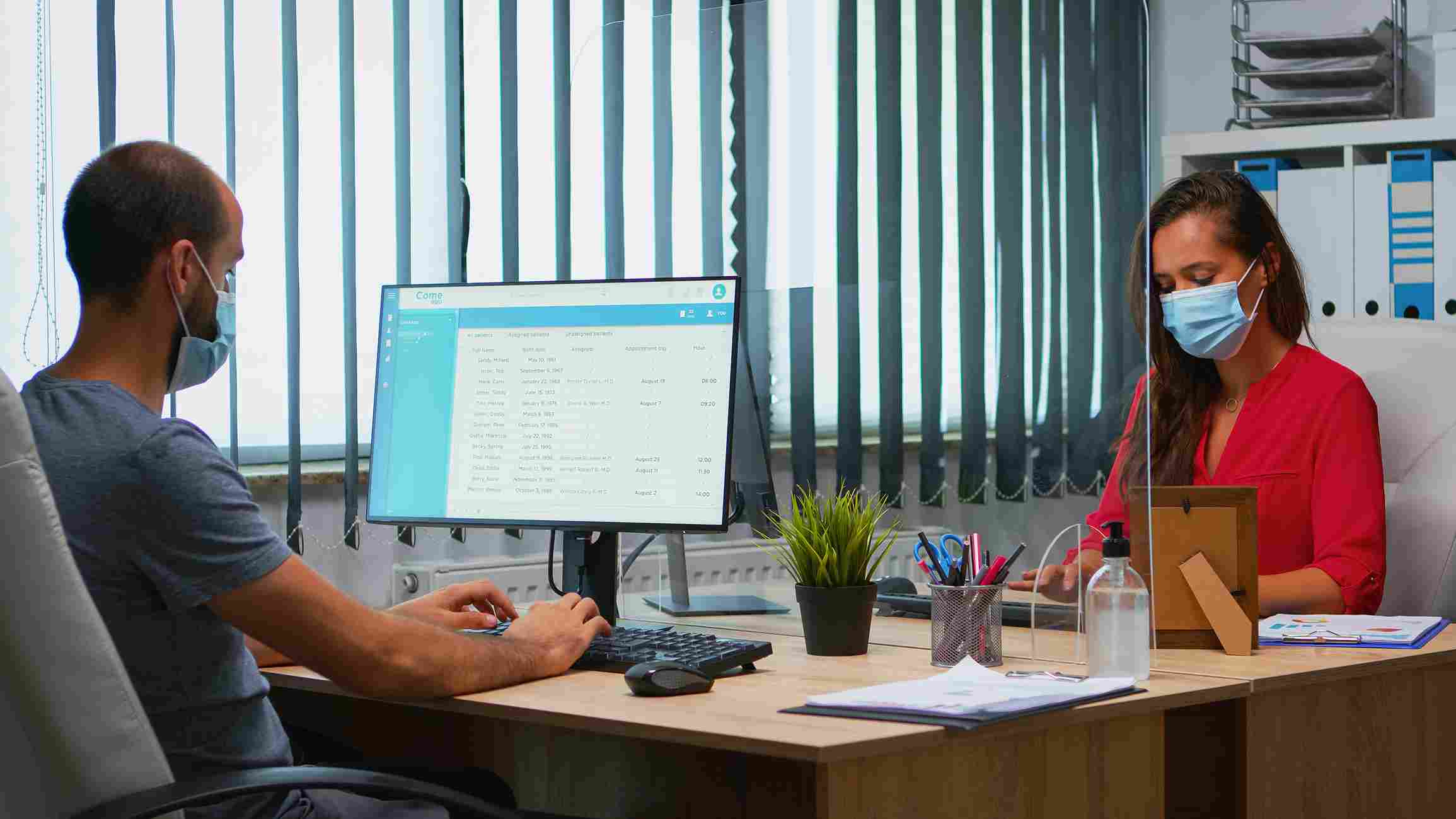
Think of a unified appointment dashboard as mission control for your entire clinic network. Instead of each location operating independently with its own scheduling system, everything connects to one central platform accessible from anywhere.
When a patient calls any of your locations, the receptionist sees availability across your entire network, not just the local office. They can book appointments at any branch, reschedule between locations, and access the patient’s complete appointment history, all from one screen.
When you, as a manager, log into the dashboard, you see your entire operation at once. Today’s appointments across all locations. Tomorrow’s schedule. Next week’s capacity. Which providers are where. Which rooms are booked. Which services are in demand. All in one place, updated continuously.
But it goes beyond just viewing information. The system manages the complexity for you. It prevents double bookings across locations. It balances patient load. It optimizes provider schedules. It handles cancellations and rescheduling automatically. It sends confirmations and reminders to patients regardless of which location they’re visiting.
What Changes When You Finally Get Unified Control
For Clinic Administrators: Strategy Instead of Crisis Management
Stop spending your days putting out fires. With complete visibility into your multi-location operations, you shift from reactive crisis management to proactive strategic planning.
You identify underutilized time slots and create targeted campaigns to fill them. You spot scheduling inefficiencies and redesign workflows. You track key performance metrics across locations and identify best practices to replicate. You demonstrate value to ownership with concrete data rather than gut feelings.
Budget planning becomes data driven. You know exactly where to invest in additional capacity and where you have room to optimize existing resources. Growth decisions are based on actual utilization patterns rather than guesswork.
For Front Desk Staff: Empowerment Instead of Frustration
Your reception team becomes empowered to actually help patients instead of constantly saying “let me check with another location” or “I’ll have to call you back.”
They book appointments confidently, knowing they’re seeing accurate availability. They handle complex scheduling requests that used to require manager intervention. They resolve patient concerns immediately rather than creating multi-step processes.
Staff satisfaction improves dramatically when people can do their jobs effectively. Turnover decreases. Training becomes easier because everyone works with the same system. Your team becomes a cohesive network rather than disconnected silos.
For Patients: Convenience That Builds Loyalty
Patients notice when you make their lives easier. Being able to book at any location based on their convenience rather than your operational limitations is a significant competitive advantage.
They appreciate consistent experiences across your locations. They value the flexibility to switch between branches without starting over. They love receiving automated reminders regardless of where they’re scheduled.
This convenience translates directly into loyalty. Patients choose you over competitors because you respect their time and make healthcare access easier. Positive reviews mention your responsive scheduling. Referrals increase because the patient experience stands out.
Critical Features Your Multi-Location Dashboard Needs
A unified Appointment Management System isn’t just about seeing multiple calendars on one screen. To truly solve multi-location challenges, your dashboard must include these essential capabilities:
- Cross-location booking from any access point. Any staff member at any location should be able to schedule patients at any other location without additional logins, phone calls, or systems.
- Centralized patient database with universal access. Every location sees the same patient information, appointment history, preferences, and notes, ensuring continuity regardless of where the patient is seen.
- Provider schedule synchronization across facilities. When doctors or specialists work at multiple locations, their availability updates automatically across the entire network, preventing double bookings and scheduling conflicts.
- Automated load balancing alerts. The system should flag when one location is overbooked while others have capacity, enabling proactive redistribution of appointments.
- Consolidated reporting and analytics. Generate performance reports that span all locations, compare metrics between branches, and identify network-wide trends and opportunities.
- Mobile accessibility for administrators. Clinic managers need to monitor and manage operations from anywhere, not just from a desktop in one specific office.
- Patient self-service with location selection. Online booking portals should let patients choose their preferred location based on availability, not force them to navigate separate systems for each branch.
- Customizable permissions by role and location. Control who can view and modify schedules at which locations while maintaining appropriate access restrictions.
- Integration with existing practice management systems. The appointment dashboard must connect smoothly with your billing, electronic health records, and other operational software to avoid creating new silos.

The Reality Check: Multi-Location Appointment Management Impact
Let’s put concrete numbers to what unified dashboard management actually delivers. Here’s how appointment efficiency changes when multi-location clinics implement centralized scheduling:
| Operational Metric | Traditional Multi-System Approach | Unified Dashboard Approach | Improvement Impact |
|---|---|---|---|
| Average Appointment Booking Time | 8 to 12 minutes per call | 2 to 3 minutes per call | 70% time reduction |
| Cross-Location Transfer Process | 15 to 20 minutes (3 to 4 calls) | Under 2 minutes (instant) | 90% faster transfers |
| Schedule Visibility Across Network | Limited to local branch only | Complete network view | 100% visibility gain |
| Double Booking Incidents | 5 to 8 per week per location | Less than 1 per month network-wide | 95% error reduction |
| No-Show Rate Due to Poor Communication | Higher rates common | Significantly reduced rates | Substantial improvement |
| Administrative Staff Hours on Scheduling | 30 to 40 hours weekly per location | 15 to 20 hours weekly per location | 50% efficiency gain |
| Patient Wait Time for Appointments | 7 to 14 days average | 3 to 5 days average | 60% faster access |
| Utilization Rate Across Network | Lower capacity usage | Higher capacity usage | Significant capacity improvement |
| Revenue Loss from Scheduling Inefficiency | Substantial revenue leakage | Minimal revenue loss | Major revenue recovery |
| Patient Satisfaction with Booking Process | Lower satisfaction scores | Higher satisfaction scores | Notable satisfaction boost |
When you analyze these improvements across a network with three or more locations seeing hundreds of patients weekly, the impact becomes massive. Multi-location clinics save substantial staff hours monthly just through booking efficiency. That’s the equivalent of reclaiming multiple full-time employees’ worth of productivity without hiring anyone.
The revenue impact is equally substantial. Multi-location practices lose significant income through scheduling inefficiencies like unfilled slots, poor resource allocation, and missed appointments. Unified dashboard management recovers this lost revenue with the same resources and capacity you already have.
The Integration Advantage: Why Standalone Scheduling Fails
Here’s something crucial that many multi-location clinics discover too late: appointment scheduling can’t be solved in isolation. Your scheduling system must connect with every other operational component of your practice.
When scheduling operates separately from your electronic health records, staff waste time accessing multiple systems for every patient interaction. When it doesn’t connect to billing, charges get missed and revenue leaks. When it doesn’t sync with your patient communication platform, reminders fail and no-shows increase.
Appointment Booking Software that integrates fully with your practice management ecosystem solves these problems. Patient information flows automatically between systems. Appointments trigger billing processes. Schedule changes generate updated communications. Everything works together rather than creating additional manual work.
This integration is especially critical for multi-location operations where complexity multiplies with every additional branch. The more locations you operate, the more essential it becomes that your systems communicate automatically rather than requiring human intervention.
Making the Transition: What Success Actually Looks Like
Moving from fragmented location-specific scheduling to unified dashboard management isn’t just a technology change. It’s an operational transformation that requires planning, commitment, and the right implementation approach.
Successful multi-location clinics approach this transition strategically. They start by mapping current workflows and identifying pain points at each location. They involve staff from all branches in the selection and design process, ensuring the solution works for everyone, not just headquarters.
They implement in phases rather than attempting a network-wide overnight switch. Often, this means starting with one or two locations, perfecting the processes, then rolling out to additional branches with lessons learned.
They invest in comprehensive training, recognizing that technology only delivers value when people know how to use it effectively. They designate champions at each location who become expert users and help their colleagues adapt.
Most importantly, they choose implementation partners who understand multi-location healthcare operations, not just software installation. The difference between smooth transformation and chaotic disruption often comes down to the expertise and support your technology partner provides.

Your Network Deserves Better Than Scheduling Chaos
Running a multi-location healthcare facility is challenging enough without your appointment system working against you. Every day you operate with disconnected scheduling is another day of lost revenue, frustrated patients, stressed staff, and missed opportunities to optimize your network.
The clinics thriving in today’s competitive healthcare environment aren’t necessarily the ones with the most locations or the biggest marketing budgets. They’re the ones with operational excellence enabled by smart technology. They’re the ones that make it easy for patients to access care and easy for staff to do their jobs well.
Your multi-location network can operate that way. Your patients can experience convenient, consistent scheduling across all your facilities. Your staff can work efficiently instead of fighting inadequate systems. Your management team can make strategic decisions based on complete information rather than fragmented guesswork.
Transform Your Multi-Location Operations Today
Ready to eliminate appointment chaos across your clinic network? SmartHMS & Solutions specializes in unified appointment management for multi-location healthcare facilities. We understand the unique challenges you face because we’ve solved them for clinics just like yours.
During your personalized consultation, we’ll show you:
- How a single dashboard gives you complete visibility across all your locations
- The exact features that solve your specific multi-location scheduling challenges
- Implementation approach that minimizes disruption while maximizing results
- Integration capabilities with your existing practice management systems
- Real workflows from multi-location clinics that transformed their operations
Connect with SmartHMS & Solutions for a free demo customized to your multi-location clinic’s needs. No pressure, no obligation. Just a clear demonstration of how unified appointment management can transform your operations, improve patient satisfaction, and recover revenue you’re currently losing to scheduling inefficiency.
Your clinic network has outgrown fragmented scheduling. Give your team the tools they deserve. Give your patients the convenience they expect. Give yourself the visibility you need to lead effectively.
The future of multi-location healthcare is connected, efficient, and patient-centered. Make sure your clinic is part of that future.