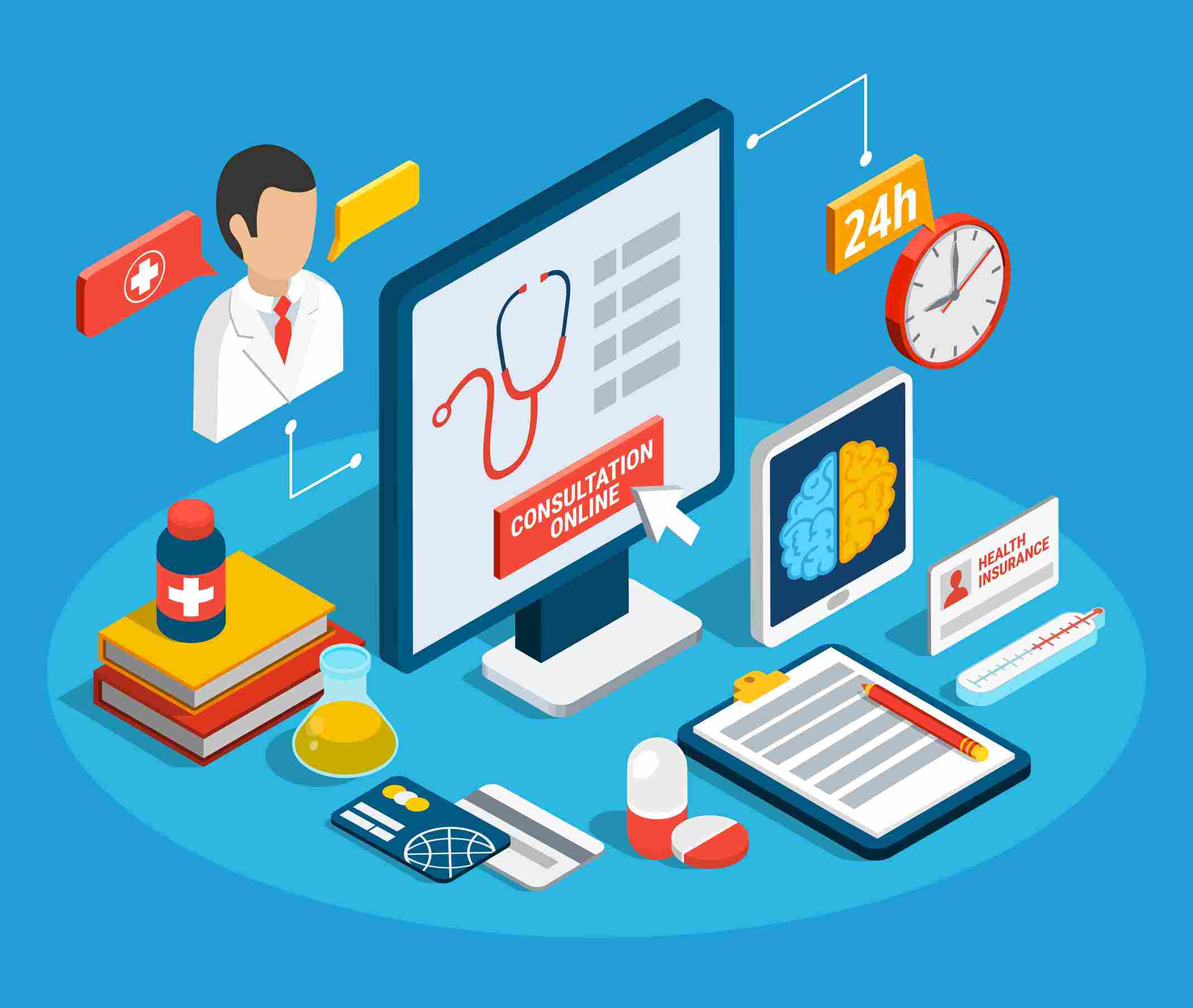
In today’s fast-moving healthcare environment, hospitals and clinics are under constant pressure to improve patient care while reducing operational costs. One solution that continues to gain momentum is the Patient Management System. From streamlining workflows to improving patient outcomes, this digital tool is transforming how healthcare facilities operate.
This blog post is written for hospital decision makers, doctors, and general readers who want a clear, practical understanding of how a Patient Management System works, why it matters, and how it supports better healthcare delivery.
What Is a Patient Management System?
A Patient Management System is a digital platform designed to manage patient data, appointments, medical records, billing, and clinical workflows in one centralized system. Instead of relying on paper files or disconnected software tools, hospitals use this system to keep everything organized, accurate, and accessible.
At its core, the system helps healthcare professionals track the patient journey—from registration and diagnosis to treatment and discharge. For doctors, this means faster access to patient history. For administrators, it means smoother operations. For patients, it means better care and fewer delays.
Simply put, it acts as the backbone of modern healthcare operations.
Why Hospitals Are Shifting to Digital Patient Management
Healthcare facilities face several challenges today: increasing patient volumes, staff shortages, regulatory compliance, and rising operational costs. Manual systems are no longer sustainable.
Here’s why hospitals are adopting digital patient management solutions:
- Reduced administrative workload
- Improved accuracy of medical records
- Faster clinical decision-making
- Better patient engagement
- Compliance with healthcare regulations
By adopting a Patient Management System, hospitals can focus less on paperwork and more on patient care—which is exactly where attention should be.
Key Features of a Modern Patient Management System
Not all systems are the same, but most modern solutions include the following core features:
Patient Registration and Records
Digitally store and manage patient demographics, medical history, allergies, and test results in one secure location. This eliminates duplicate records and ensures that every department works with the same up-to-date patient information. It also helps hospitals reduce paperwork and improve record accuracy across the entire care journey.
Appointment Scheduling
Automate bookings, reminders, and cancellations to reduce no-shows and optimize doctor schedules. Patients can easily choose available time slots, while staff gain better visibility into daily workloads. This leads to smoother patient flow and shorter waiting times.
Clinical Workflow Management
Support doctors and nurses with treatment plans, progress notes, and task coordination. The system helps standardize clinical processes, reduces missed steps, and improves coordination between departments. As a result, patient care becomes more consistent and efficient.
Billing and Insurance Management
Improves billing processes, claims, and payment tracking to reduce revenue leakage. Automated billing minimizes manual errors, speeds up insurance approvals, and improves cash flow. Hospitals also gain clearer insights into outstanding payments and financial performance.
Reporting and Analytics
Generate real-time reports that help hospital leaders make data-driven decisions. These reports provide visibility into patient trends, staff performance, and operational efficiency. With accurate insights, management can identify bottlenecks and plan improvements more effectively.
These features work together to create a smoother, more efficient healthcare ecosystem.

Benefits for Hospital Decision Makers
For executives and administrators, investing in a Patient Management System is not just a technology decision—it’s a strategic one.
Operational Efficiency
Automation reduces repetitive tasks, freeing staff to focus on high-value activities. Departments communicate more smoothly, and daily operations become easier to manage. This leads to faster service delivery and better use of hospital resources.
Cost Control
Fewer errors, better resource allocation, and faster billing cycles help control costs. Hospitals can track expenses more accurately and avoid unnecessary losses caused by inefficiencies. Over time, this contributes to improved financial stability.
Data-Driven Decisions
Access to up-to-date data allows leaders to monitor performance and identify improvement areas. Decision-makers can compare trends, measure outcomes, and plan future investments with confidence. This reduces guesswork and supports long-term growth.
Regulatory Compliance
Digital records make audits, reporting, and compliance with healthcare laws much easier. Automated documentation reduces compliance risks and ensures that hospitals are always audit-ready. This is especially important in an increasingly regulated healthcare environment.
From a leadership perspective, this system provides visibility, control, and long-term scalability.
How Doctors Benefit from a Patient Management System
Doctors are often skeptical of new systems, especially if they disrupt workflows. However, when implemented correctly, a Patient Management System becomes a powerful clinical ally.
Faster Access to Patient Information
No more searching through files—everything is available in seconds. Doctors can review patient history, lab results, and treatment notes from a single screen. This saves time and supports quicker clinical decisions.
Improved Clinical Accuracy
Complete patient histories reduce the risk of misdiagnosis or medication errors. Alerts, documentation tools, and structured data help doctors make safer, more informed decisions. This directly improves patient outcomes.
Better Collaboration
Doctors, nurses, and specialists can easily share updates and notes. Communication gaps between departments are reduced, ensuring everyone is aligned on patient care plans. This teamwork leads to smoother treatment processes.
Reduced Burnout
Less paperwork means more time for patient interaction and care. By minimizing administrative burden, doctors can focus on what matters most—treating patients. This improves job satisfaction and reduces long-term burnout.
Ultimately, the system supports doctors rather than slowing them down.
Impact on Patients and General Users
While much of the focus is on hospitals and doctors, patients benefit just as much.
- Shorter waiting times
- Fewer errors in records
- Timely appointment reminders
- Improved communication with healthcare providers
When patients feel informed and cared for, satisfaction and trust naturally increase.
Security and Data Privacy Considerations
Healthcare data is highly sensitive, and security is non-negotiable. A reliable Patient Management System includes:
- Role-based access control
- Data encryption
- Secure cloud or on-premise hosting
- Regular system audits
Hospitals should ensure that any system complies with local and international healthcare data regulations. For more information on healthcare IT standards, you can refer to resources from organizations like the World Health Organization.

Choosing the Right Patient Management System
Before selecting a system, hospitals should evaluate:
- Ease of use for staff and doctors
- Customization and scalability
- Integration with existing systems
- Vendor support and training
- Total cost of ownership
A well-chosen system grows with the organization instead of becoming a limitation.
Measuring Success: KPIs That Matter in a Patient Management System
Implementing a Patient Management System is only the first step. To truly justify the investment and drive continuous improvement, hospitals must measure how well the system performs. This is where Key Performance Indicators (KPIs) become essential.
Operational KPIs
Hospital administrators can track metrics such as patient wait times, appointment no-show rates, bed occupancy levels, and average length of stay. A well-configured system provides these insights in real time, allowing leadership teams to identify bottlenecks and optimize resource allocation.
Clinical Performance Metrics
For doctors and clinical managers, KPIs like medication error rates, treatment turnaround time, and readmission rates offer valuable insight into care quality. By analyzing trends, hospitals can improve clinical protocols and enhance patient safety without increasing workload.
Financial Indicators
Revenue cycle performance is another critical area. Metrics such as claim rejection rates, billing turnaround time, and cost per patient help hospitals assess financial efficiency. A strong Patient Management System supports faster reimbursements and reduces revenue leakage.
Patient Experience Scores
Patient satisfaction surveys, feedback response time, and engagement levels reveal how patients perceive the care they receive. These insights help hospitals improve communication, transparency, and trust—factors that directly impact reputation and retention.
Using KPIs for Strategic Growth
When KPIs are reviewed regularly, hospital leadership can make informed decisions about staffing, technology upgrades, and service expansion. Instead of relying on assumptions, decisions are backed by accurate, actionable data.
In short, measuring the right KPIs ensures that a Patient Management System delivers measurable value—not just operational convenience.
A well-implemented Patient Management System has become essential for modern healthcare organizations. It supports hospital executives in strategic planning, helps doctors achieve more efficient workflows, and offers general readers a clear path toward more connected healthcare delivery.
By selecting an appropriate solution and executing it thoughtfully, healthcare providers can improve operational efficiency, elevate the quality of patient care, and strengthen long-term trust in an increasingly digital environment—outcomes that SmartHMS and Solutions are specifically designed to enable.
Frequently Asked Questions (FAQs)
1. Is a Patient Management System suitable for small hospitals?
Yes, many systems are scalable and designed for both small clinics and large hospitals.
2. How long does implementation usually take?
Implementation can take anywhere from a few weeks to several months, depending on complexity.
3. Does it replace doctors or nurses?
No, it supports healthcare professionals by reducing administrative workload.
4. Is patient data safe in digital systems?
Yes, when proper security and compliance measures are in place.
5. Can it integrate with lab and pharmacy systems?
Most modern systems support third-party integrations.
6. What is the ROI of a Patient Management System?
Improved efficiency, reduced errors, and faster billing often result in strong long-term ROI.